Explore Dubai property market 2026 trends, ROI, hotspots & expert insights to decide if now is the right time to invest in Dubai real estate.
Global capital is once again flowing into property markets, but few destinations are attracting as much sustained attention as Dubai. In 2026, the emirate stands at a unique intersection of economic resilience, investor-friendly regulation, and long-term urban vision.
From high-net-worth individuals diversifying portfolios to first-time overseas buyers seeking stable rental income, Dubai has evolved from a speculative market into a maturing global real estate hub. The key question now is not whether Dubai is attractive, but whether 2026 is the right entry point.
2. Overview of Dubai Property Market 2026
The Dubai property market 2026 reflects a more structured and data-driven environment compared to previous cycles.
Market Trends
- Property prices have shown moderate but steady appreciation, rather than volatile spikes
- Demand remains strong in prime and waterfront locations
- Off-plan developments continue to dominate supply pipelines
Post-Pandemic Maturity
Dubai’s post-2020 recovery is no longer a rebound story, it is now a growth phase backed by fundamentals, including:
- Population growth driven by expatriate inflow
- Business expansion due to pro-investment policies
- Increased long-term residency adoption
Government Initiatives
Key policies continue to support Dubai real estate investment 2026:
- 10-year Golden Visa for property investors
- 100% foreign ownership in many sectors
- Streamlined digital property transactions
The result is a transparent, investor-friendly ecosystem that appeals to global capital.
3. Key Reasons to Invest in Dubai Real Estate
Tax Efficiency
Dubai offers a tax-free property environment:
- No capital gains tax
- No annual property tax
- No rental income tax
High Rental Yields
Dubai rental yields typically range between:
- 5% to 8% in prime areas
- Higher in emerging communities
This outperforms cities like London and New York, where yields are often below 4%.
Residency Benefits
Property investment can unlock:
- Long-term residency visas
- Family sponsorship opportunities
Lifestyle & Infrastructure
Dubai’s appeal extends beyond numbers:
- World-class transport and connectivity
- Luxury lifestyle offerings
- Global business hub status
Economic Stability
Backed by diversified sectors, tourism, finance, logistics, Dubai presents a relatively stable macroeconomic environment.
4. Property Hotspots in Dubai (2026)
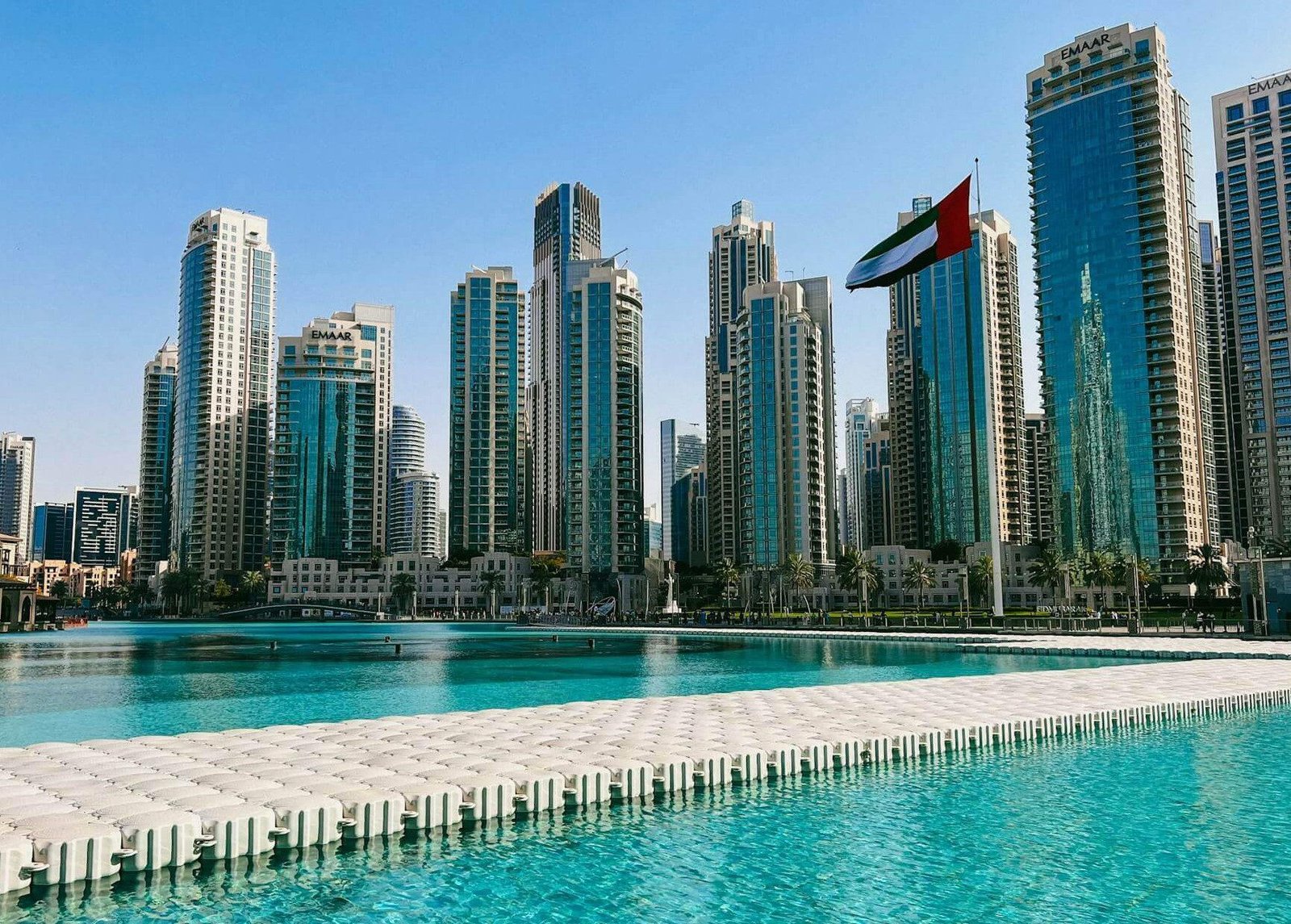
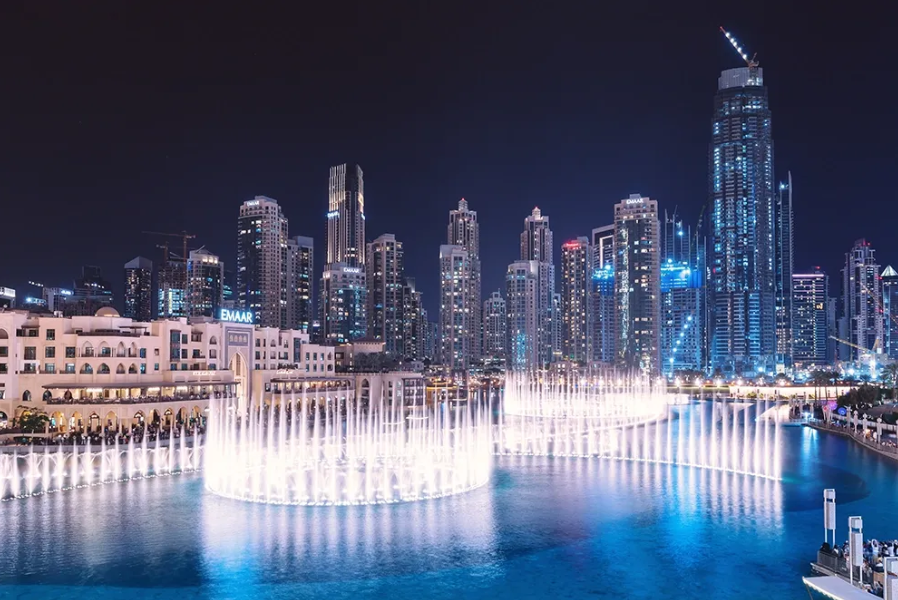
Downtown Dubai
- Home to iconic landmarks
- Strong capital appreciation potential
- High demand for luxury apartments
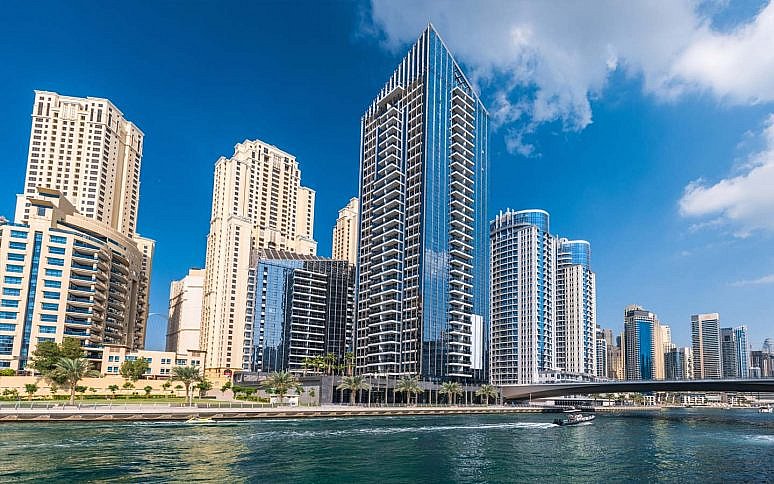
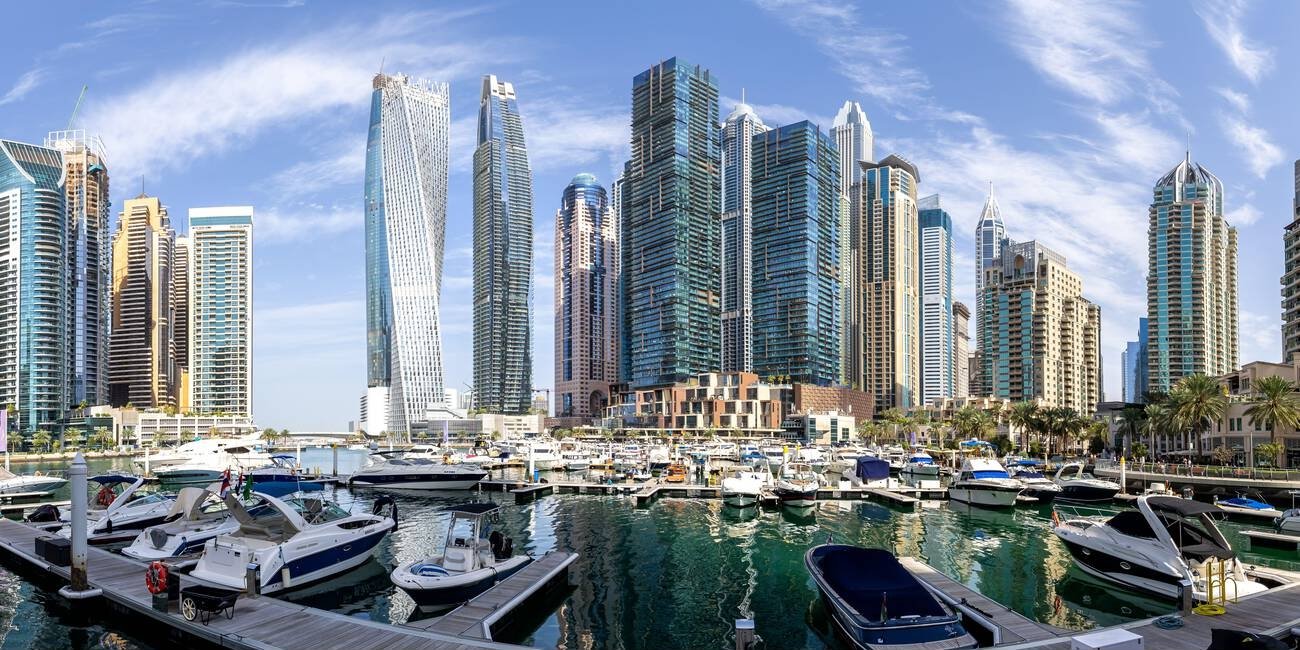
Dubai Marina
- Popular among expatriates
- Consistent rental demand
- Ideal for short-term leasing strategies
Palm Jumeirah
- Ultra-luxury segment
- Limited supply supports price growth
- Strong appeal for HNWIs
Business Bay
- Rapidly developing mixed-use hub
- Competitive entry prices
- High rental occupancy rates
These remain some of the best areas to invest in Dubai, balancing yield and appreciation potential.
5. ROI, Rental Yields & Capital Appreciation
Rental Yield Benchmarks
- Prime areas: 5%–7%
- Mid-market: 6%–8%
- Short-term rentals: Potentially higher but variable
Global Comparison
- London: ~2%–4%
- New York: ~3%–5%
- Dubai: Consistently higher net returns
Capital Appreciation
- Long-term growth tied to infrastructure expansion
- Luxury and waterfront properties outperform cyclically
Investment Horizon
- Short-term (1–3 years): Best for flipping off-plan units
- Mid to long-term (5+ years): Stable income + capital growth
6. Risks & Challenges to Consider
Market Cycles
Dubai remains a cyclical market, influenced by:
- Global liquidity
- Oil prices (indirectly)
- Investor sentiment
Oversupply Concerns
- New project launches can pressure prices in certain segments
- Not all locations perform equally
Regulatory Awareness
- Understanding ownership laws is critical
- Service charges can impact net yield
Developer Risk
Choosing reputable developers is essential to:
- Avoid project delays
- Ensure construction quality
7. Is 2026 the Right Time to Invest?
The Bull Case
- Strong demand fundamentals
- Investor-friendly regulations
- Attractive yields vs global benchmarks
The Cautious View
- Price growth is stabilizing (not explosive)
- Selectivity is critical, location and developer matter more than ever
Expert Insight
2026 is not a speculative peak, it is a strategic entry phase. Investors who:
- Focus on high-demand areas
- Take a medium- to long-term view
- Prioritize quality assets
are likely to benefit the most.
8. Tips for First-Time Investors
Choose the Right Developer
- Track record matters more than price discounts
Understand Ownership Types
- Freehold zones allow full foreign ownership
- Leasehold may come with restrictions
Financing Options
- UAE banks offer mortgages to non-residents
- Typically require 20%–40% down payment
Legal Process
- Transparent and digitized
- Managed through the Dubai Land Department
Work With Experts
A local advisor can help:
- Identify undervalued opportunities
- Navigate legal and financial structures
9. Conclusion: Should You Invest Now?
Dubai’s real estate market in 2026 presents a compelling blend of yield, stability, and global accessibility. While the era of rapid speculative gains may have matured, the market has transitioned into a more sustainable and investor-driven ecosystem.
For international investors, HNWIs, and first-time buyers alike, the opportunity lies not in timing the market perfectly, but in entering strategically with the right assets.
If you’re considering Dubai real estate investment 2026, now is the time to:
- Evaluate high-performing locations
- Consult experienced property advisors
- Align your investment with long-term financial goals
A well-informed move today could position you advantageously in one of the world’s most dynamic property markets.